
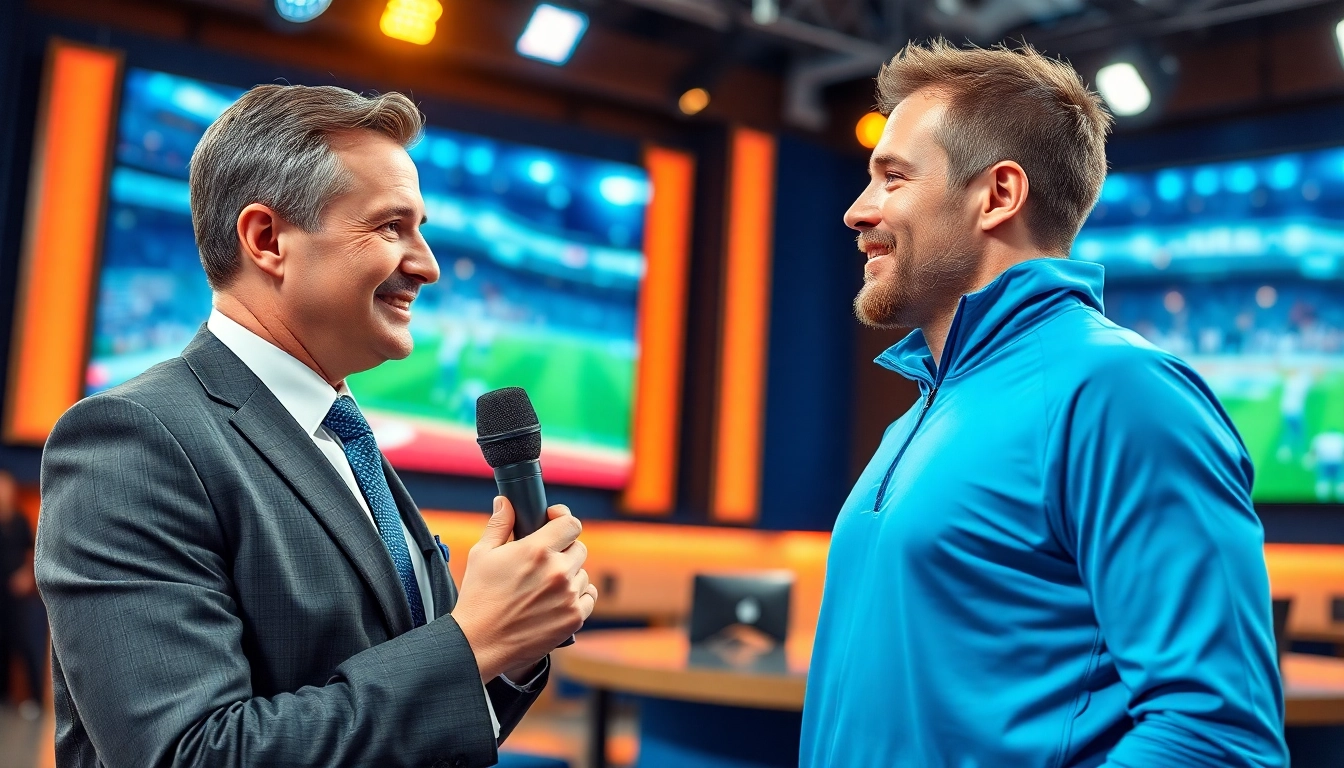
Understanding the Basics of Sports Broadcasting
What is Sports Broadcasting?
Sports broadcasting is the dissemination of sports content through various media platforms. It encompasses live television, radio, online streaming, and social media outlets, offering real-time access to sports events, analysis, and commentary. The primary goal is to deliver engaging content to audiences, fostering a deeper connection between fans and their favorite sports. In the rapidly evolving landscape of digital media, understanding the intricacies of sports broadcasting is essential for anyone looking to make a mark in this competitive field. In modern contexts, Sports Broadcasting has grown to include viewer interaction and on-demand content, reflecting broader trends in media consumption.
The Evolution of Sports Broadcasting
The journey of sports broadcasting began in the early 20th century with radio broadcasts of live sporting events, quickly evolving to include television broadcasts a few decades later. The advent of cable television introduced specialized sports channels, fundamentally changing how fans accessed content. The rise of the internet and mobile technologies has led to unprecedented changes, allowing live streaming, highlights, and access to sports content on-demand. This evolution not only reflects technological advancements but also shifts in viewer behavior, highlighting a growing preference for digital and personalized media experiences.
Key Roles in Sports Broadcasting
Sports broadcasting involves a myriad of key roles that contribute to the successful production and delivery of content. Among the most vital roles are:
- Sports Commentators: They provide real-time commentary, enhancing viewer engagement with their insights and enthusiasm.
- Producers: Responsible for the overall production of broadcasts, they coordinate between different departments to ensure a seamless viewing experience.
- Cameramen: They capture the essence of the game through skilled camera work, which is vital for dynamic sports coverage.
- Editors: Post-production editors play a crucial role in crafting highlight reels and promotional materials, ensuring high-quality output.
- Social Media Managers: They engage with audiences across platforms, sharing updates, highlights, and driving viewer interaction.
Essential Techniques for Effective Sports Broadcasting
Crafting Compelling Storylines
Effective sports broadcasting goes beyond just relaying a play-by-play account of a game. Crafting compelling storylines that resonate with viewers is crucial. This involves identifying the narratives that emerge during a sporting event, such as a comeback story, rivalry, or an athlete's personal journey. Broadcasters should strive to weave these elements into their coverage, providing context that enhances viewer investment in the outcome. For instance, presenting backstories of players or the significance of specific games can create a more emotionally engaging experience.
Utilizing Social Media in Sports Broadcasting
Social media has become an invaluable tool for sports broadcasters. Utilizing platforms like Twitter, Instagram, and Facebook allows broadcasters to connect with fans in real time, sharing behind-the-scenes content, polls, live updates, and fan reactions. Engaging fans through social media not only broadens the reach of broadcasts but fosters a two-way conversation that enhances viewer loyalty. Integrating social media feeds into broadcasts can make content feel more dynamic and interactive, appealing directly to the interests and input of audiences.
Video Editing Tips for Broadcasters
Video editing is a critical skill in sports broadcasting, particularly for creating highlights, promotional videos, and recap segments. Successful editing involves several key practices:
- Telling a Story: When editing, prioritize a narrative arc to engage viewers emotionally and cognitively.
- Utilizing Effective Transitions: Smooth transitions between clips can maintain pacing and provide continuity.
- Incorporating Graphics: Use graphics strategically to emphasize scores, statistics, and player information, aiding viewer comprehension.
- Sound Design: Layering appropriate music and commentary can significantly enhance the viewing experience.
- Feedback and Iteration: Continually seek viewer feedback to refine editing techniques and styles for maximizing engagement.
Engagement Strategies for Sports Broadcasting
How to Connect with Your Audience
Establishing connections with the audience is essential for successful sports broadcasting. To foster this connection, broadcasters should prioritize understanding their audience's preferences and habits. This involves careful audience analysis through data metrics, engagement on social platforms, and feedback mechanisms. Tailoring content to suit the interests of different audiences, whether it be casual fans or hardcore enthusiasts, can yield significant increases in viewer loyalty and engagement. Employing relatable language and humor also contributes to a more personable broadcasting style.
Interactive Elements in Sports Broadcasting
Integrating interactive elements into broadcasts can greatly enhance viewer experience. Polls, quizzes, and live chats during broadcast can engage viewers in real-time. Utilizing second screens, where viewers can access additional information, statistics, and engage with interactive features while watching, enhances their overall engagement. This encouragement of participation solidifies viewer connection to the broadcast and elevates engagement, often leading to longer view times and a more dedicated viewer base.
Building a Community Around Sports Content
Creating a community around sports content is paramount for sustained engagement in broadcasting. This can be developed through regular interaction on social media, creating forums for discussions, and initiating community events or meet-ups. By fostering a sense of belonging, viewers feel more committed to the broadcasts. Regular engagement with audience inputs, feedback, and highlights of community stories can also help create a loyal viewer base that actively participates and promotes the content.
Performance Metrics in Sports Broadcasting
Analyzing Audience Reach and Ratings
Understanding performance metrics in sports broadcasting is essential for assessing success and areas for improvement. Audience reach and ratings provide insights into how many viewers are engaging with the content and what specific segments are resonating well. This information allows broadcasters to adapt content strategies and enhance programming. Key performance indicators (KPIs) include viewership numbers, average watch time, audience demographics, and market share. Leveraging this data enables broadcasters to make informed decisions that align with audience expectations.
Tools for Monitoring Broadcast Performance
Modern broadcasters have access to a variety of tools for monitoring broadcast performance. Software solutions for analytics enable tracking audience engagement metrics across platforms, including streaming services, social media overtures, and traditional television ratings. Tools like Google Analytics, Nielsen ratings, and social listening platforms provide essential data for creating actionable insights. Understanding how to utilize these tools effectively maximizes broadcasters' ability to refine content strategy and optimize audience reach.
Feedback Loops: Learn and Improve
Establishing feedback loops is crucial for continuous improvement in sports broadcasting. Creating pathways for viewer feedback, whether through surveys, social media interactions, or post-event reviews, allows broadcasters to gather insights into audience perceptions. Incorporating this feedback into content planning and production creates a cycle of improvement, tightening the alignment between broadcast offerings and viewer expectations. Regularly evaluating the efficacy of broadcasts according to audience feedback fosters an adaptive broadcasting strategy.
Future Trends in Sports Broadcasting
The Impact of Technology on Sports Broadcasting
As technology continues to evolve, its impact on sports broadcasting becomes increasingly significant. Innovations such as augmented reality (AR), virtual reality (VR), and artificial intelligence (AI) are set to revolutionize how sports content is consumed. These technologies create immersive viewing experiences, allowing fans to feel as if they are part of the action. Additionally, advancements in streaming technology provide broadcasters with greater flexibility and opportunities to reach viewers across varied devices and platforms, increasing access and engagement.
Emerging Platforms for Sports Content
Emerging platforms for sports content are changing the broadcasting landscape. OTT platforms, podcasts, and social media networks are increasingly being utilized for content distribution. These platforms offer unique advantages, such as targeting niche audiences, offering on-demand content, and fostering audience interaction. Broadcasters need to stay attuned to these trends and opportunities, as they can present innovative ways to reach and engage viewers more effectively than traditional mediums.
Adapting to Changing Viewer Preferences
The landscape of viewer preferences is always shifting, urging broadcasters to remain adaptable. Different demographics have varying preferences regarding content delivery, with younger audiences often opting for streaming services over traditional television. Broadcasters must prioritize producing diverse content that aligns with these preferences while innovating with interactive elements that cater to this evolved viewing behavior. Following trends and analytics allows broadcasters to anticipate changes, ensuring sustained viewer engagement.
Frequently Asked Questions
What skills are needed for sports broadcasting?
Key skills include strong communication, storytelling, technical proficiency with broadcasting equipment, and an understanding of sports. Additionally, knowledge of data analysis is important for performance tracking.
How can I start a career in sports broadcasting?
Starting a career involves obtaining relevant education, gaining practical experience through internships, and building a portfolio of your work in various media formats.
What role does social media play in sports broadcasting?
Social media fosters real-time engagement, allowing broadcasters to interact with fans, share updates, and create a community around their content, enhancing viewer loyalty.
How can broadcasters measure audience engagement?
Engagement can be measured through various metrics, including viewership numbers, social media interactions, and feedback surveys to assess viewer preferences and feelings.
What technologies are influencing sports broadcasting today?
Technologies like VR, AR, and AI are changing sports broadcasting by providing immersive experiences, enhancing viewer interactivity, and streamlining content production processes.