
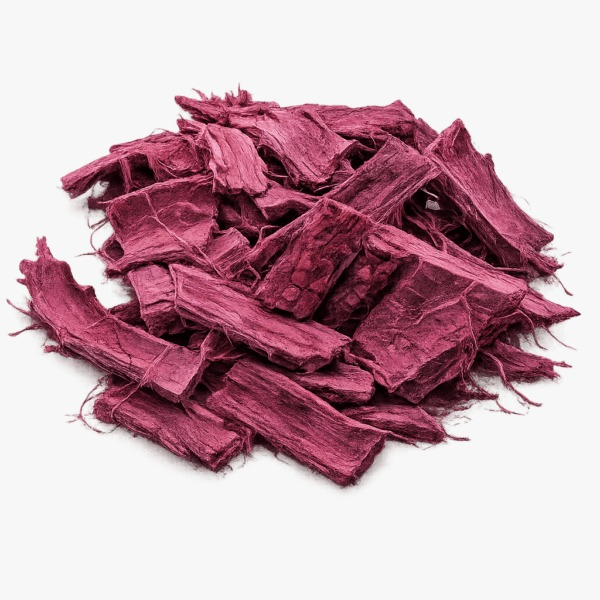
MHRB for sale is a phrase commonly used online to describe commercially available Mimosa tenuiflora root bark, a botanical material associated with parts of Central and South America. MHRB for sale may refer to whole, cut, or processed botanical bark offered for legitimate botanical, educational, or research purposes. MHRB for sale should be understood first as a plant-derived material with a specific botanical identity, geographic history, and sustainability considerations rather than simply as a commodity. This guide explores the origins, characteristics, traditional background, quality considerations, responsible sourcing, and common questions surrounding this distinctive botanical material.
What Is Mimosa Hostilis Root Bark?
Mimosa Hostilis, now commonly classified as Mimosa tenuiflora, is a thorny leguminous tree native to regions of Central and South America. It is particularly associated with northeastern Brazil and the Caatinga ecosystem, where plants have adapted to seasonal dryness and challenging environmental conditions.
The term MHRB generally refers to Mimosa Hostilis Root Bark. Depending on the supplier or botanical context, the material may appear as pieces of bark, shredded bark, or a ground botanical product.
When researching MHRB for sale, understanding the scientific identity of the plant is important. Botanical names can change as scientific classifications are updated, while common names may vary between countries and communities.
Botanical Characteristics
Mimosa tenuiflora is a small to medium-sized tree or shrub characterized by thorny branches, compound leaves, and pale, fragrant flowers. It is well adapted to dry climates and can regenerate under appropriate environmental conditions.
The root bark is one part of the plant's larger biological system. Responsible discussion of MHRB for sale should therefore consider the health of the entire plant and its surrounding ecosystem rather than focusing exclusively on the harvested material.
Geographic Origins and Natural Habitat
Mimosa tenuiflora has a strong association with northeastern Brazil, especially areas within and around the Caatinga biome. The species is also found in other parts of Latin America.
The Caatinga is a distinctive dryland ecosystem with seasonal rainfall and vegetation adapted to water scarcity. Trees such as Mimosa tenuiflora contribute to this landscape by providing vegetation cover and participating in local ecological processes.
People researching MHRB for sale may encounter descriptions mentioning Brazil, Mexico, or other Latin American locations. Geographic information should be evaluated carefully because distribution, cultivation, and commercial sourcing are not necessarily the same thing.
Why Origin Matters
Origin can provide useful information about a botanical material's traceability and environmental context. A reputable description should identify the botanical species accurately and avoid making unsupported claims about geographic provenance.
For anyone evaluating MHRB for sale, transparent information about botanical identity and general sourcing practices is more meaningful than vague claims about exceptional quality.
Traditional and Cultural Background
Mimosa tenuiflora has a history of traditional use in parts of Latin America. Local communities have recognized various properties and practical applications of the tree and its plant materials.
Traditional botanical knowledge often develops through generations of observation. Communities may understand where plants grow, how they respond to seasonal conditions, and which portions have historically been useful.
MHRB for sale is a modern commercial phrase, so it should not be confused with historical terminology. Contemporary online commerce represents a much newer context than the traditional relationships communities developed with native vegetation.
Respecting Traditional Knowledge
The cultural history surrounding native plants deserves careful treatment. Modern descriptions should avoid attributing a single universal practice to every Indigenous or rural community.
Research into MHRB for sale should distinguish documented ethnobotanical information from modern marketing claims. This approach produces a more accurate and respectful understanding of the botanical material.
Physical Characteristics of the Root Bark
Mimosa Hostilis Root Bark can vary in appearance depending on age, processing, storage, and preparation. Naturally occurring bark is fibrous and woody, while commercially prepared material may be presented in different physical forms.
Color can range from pale brown and tan shades to deeper reddish or purplish tones. Texture may also differ according to whether the material consists of larger bark pieces, smaller fragments, or ground material.
When comparing MHRB for sale listings, visual appearance alone should not be considered a definitive measure of botanical identity or quality. Proper labeling and reliable sourcing information are more useful indicators.
Whole, Cut, and Ground Material
Botanical bark can be prepared in several physical forms. Whole or larger pieces may retain more recognizable structural characteristics, while cut or shredded material can be easier to handle for legitimate botanical applications.
Ground botanical material has a much finer texture and can be more difficult to visually authenticate. Consequently, documentation and traceability become particularly important when evaluating MHRB for sale.
Quality and Storage Considerations
Botanical materials are influenced by environmental conditions. Excess moisture, heat, sunlight, and poor packaging can affect their condition over time.
A properly described MHRB for sale listing should ideally provide clear information about the botanical name, material form, approximate origin, packaging, and storage recommendations.
Buyers interested in botanical materials should also look for signs of contamination, excessive moisture, unusual odors, or visible deterioration. Storage in a clean, dry environment can help maintain the physical condition of plant-based materials.
Botanical Identification
Accurate identification is one of the most important considerations when purchasing or studying any botanical material. Common names can sometimes create confusion because the same name may be applied to different species.
For MHRB for sale, the scientific name Mimosa tenuiflora provides a more precise point of reference than relying solely on common terminology.
Sustainable Sourcing
Sustainability is increasingly important when discussing wild-harvested botanical materials. Root harvesting can have different environmental implications from harvesting renewable plant parts such as leaves or fallen material.
Responsible MHRB for sale practices should take ecological conditions into consideration. Sustainable approaches may involve cultivated sources, appropriate land management, traceability, and harvesting methods designed to reduce unnecessary environmental damage.
Why Traceability Matters
Traceability helps connect botanical materials with their general source and production practices. It can also discourage mislabeling and support more responsible botanical commerce.
Anyone researching MHRB for sale should consider whether available information is transparent, consistent, and supported by credible botanical documentation.
Legal and Responsible Considerations
Laws concerning botanical materials can vary considerably between countries and jurisdictions. A plant material may have different legal classifications depending on location, intended use, and associated compounds.
Consequently, people considering MHRB for sale should check the applicable laws and regulations in their own jurisdiction before purchasing, transporting, importing, exporting, or using botanical materials.
It is also important to distinguish general botanical education from instructions involving chemical extraction or preparation of controlled substances. Responsible information about Mimosa tenuiflora can focus on botany, ecology, history, identification, and sustainability without providing instructions for prohibited or hazardous applications.
Common Uses in Botanical Contexts
Mimosa Hostilis Root Bark may be discussed in botanical collections, ethnobotanical research, educational materials, and studies of traditional plant knowledge. Its significance can also be examined through ecology and plant science.
Descriptions of MHRB for sale should avoid assuming that all customers have the same intended purpose. Clear labeling and responsible communication help keep botanical commerce transparent.
Researchers and educators can also examine the species as an example of plant adaptation in dry environments and as part of the biodiversity of Latin America.
How to Evaluate Botanical Information
When researching MHRB for sale online, it is useful to compare information from multiple credible sources. Scientific names, geographic distribution, ecological descriptions, and historical information should be consistent with established botanical knowledge.
Marketing language can sometimes exaggerate qualities or make claims that are difficult to verify. A reliable botanical description should instead emphasize accurate identification, transparent sourcing, appropriate storage, and responsible use.
Frequently Asked Questions
1. What does MHRB stand for?
MHRB commonly stands for Mimosa Hostilis Root Bark, referring to root bark associated with Mimosa tenuiflora, a plant native to regions of Central and South America.
2. Where does Mimosa tenuiflora naturally grow?
Mimosa tenuiflora is strongly associated with northeastern Brazil and other parts of Latin America, particularly warm and seasonally dry environments.
3. What should I look for when researching MHRB for sale?
Consider accurate botanical identification, transparent sourcing information, material form, packaging, storage conditions, and compliance with applicable local laws.
4. Is all MHRB identical?
No. Botanical materials can differ according to plant origin, age, harvesting practices, processing, storage, and whether the material is whole, cut, or ground.
5. Why is sustainable sourcing important?
Root harvesting can affect individual plants and ecosystems. Responsible sourcing considers regeneration, habitat protection, traceability, and environmentally appropriate harvesting practices.
Conclusion
MHRB for sale is a modern commercial term connected with a botanical material that has a much longer ecological and cultural history. Understanding Mimosa tenuiflora requires attention to its scientific classification, geographic origins, traditional background, physical characteristics, and environmental context. People researching MHRB for sale should prioritize accurate botanical information, transparent sourcing, responsible storage, and compliance with applicable regulations. MHRB for sale should ultimately be viewed within the broader context of responsible botanical commerce, conservation, and respect for the communities and ecosystems associated with this distinctive South American tree.