
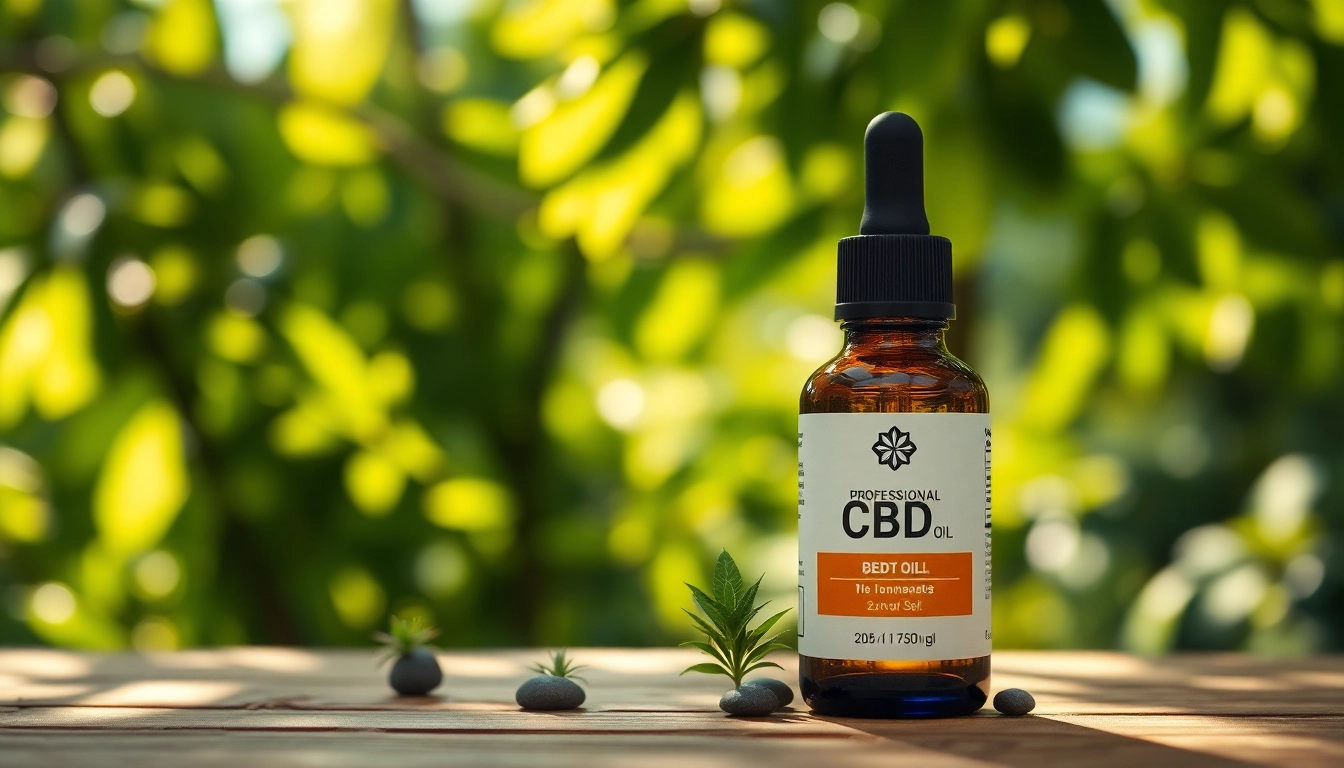
Understanding CBD Oil: What It Is and How It Works
The Origins of CBD Oil
Cannabidiol, commonly known as CBD, is one of the most abundant cannabinoids found in the hemp plant. Unlike its counterpart THC (tetrahydrocannabinol), CBD does not produce psychoactive effects, making it a popular choice among individuals seeking therapeutic benefits without a high. The extraction of CBD oil typically begins with the hemp plant, which has been cultivated for thousands of years. As scientific interest in cannabis turns towards its non-psychoactive components, research and production of CBD Oil have surged, aiming to establish its efficacy in various health contexts.
How CBD Oil Interacts with the Body
The human body has an extensive system known as the endocannabinoid system (ECS), which plays vital roles in regulating various physiological processes. The ECS consists of receptors, endocannabinoids produced by the body, and enzymes that break down these compounds. CBD interacts primarily with two receptors in the ECS: CB1 and CB2. While CB1 receptors are predominantly located in the brain and central nervous system, CB2 receptors are primarily found in the peripheral nervous system, influencing pain and inflammation. By interacting with these receptors, CBD can modulate neurotransmitter release, impacting everything from mood regulation and pain perception to immune responses.
Distinguishing CBD Oil from Other Cannabinoids
In the cannabis plant, over 100 different cannabinoids exist, including THC and CBDA (cannabidiolic acid). While THC is known for its psychoactive properties that lead to the sensation of being "high," CBD is celebrated for its potential therapeutic benefits without impairment. Additionally, other cannabinoids like CBG (cannabigerol) and CBN (cannabinol) are beginning to attract interest for their specific health benefits. Understanding the differences between these cannabinoids can help consumers make informed choices, especially given the broad spectrum of products available in the market today.
Potential Health Benefits of CBD Oil
Reducing Inflammation and Pain
One of the most well-documented potential health benefits of CBD Oil is its analgesic and anti-inflammatory properties. Numerous studies have indicated that CBD can reduce inflammation in the body, which is linked to various chronic conditions such as arthritis, multiple sclerosis, and inflammatory bowel disease. For instance, research has shown that CBD may help alleviate pain by influencing the activity of endocannabinoid receptors and thus modulating neurotransmitter release. This mechanism can contribute to significant pain relief for individuals suffering from conditions characterized by chronic pain.
Managing Anxiety and Stress
There has been a growing body of evidence suggesting that CBD Oil can play a vital role in managing anxiety disorders, including generalized anxiety disorder, social anxiety, and panic disorders. The calming effects attributed to CBD can help mitigate the overwhelming feelings of fear and discomfort often experienced in these conditions. Studies show that CBD may affect serotonin levels in the brain, which is a critical component for mood regulation. In practice, users have reported a sense of calmness and clarity, enabling them to lead more productive lives.
Promoting Better Sleep
Many individuals grapple with insomnia and disturbed sleep patterns. CBD oil has emerged as a potential remedy to help promote better sleep quality. By reducing anxiety and enhancing relaxation, CBD may assist individuals in falling asleep more easily and improving overall sleep duration and quality. Furthermore, research is beginning to show that CBD may affect the sleep-wake cycle, potentially regulating sleep disturbances caused by conditions like PTSD and chronic pain.
Choosing the Right CBD Oil for Your Needs
Types of CBD Oil: Full Spectrum vs. Isolate
When selecting CBD oil, it is crucial to understand the different types available: full spectrum, broad spectrum, and isolate. Full spectrum CBD oil contains all cannabinoids naturally found in the hemp plant, including a trace amount of THC. This combination results in the "entourage effect," where the cannabinoids work synergistically to enhance overall therapeutic benefits. Broad spectrum, on the other hand, contains multiple cannabinoids without THC, making it appealing for users concerned about drug testing. Finally, CBD isolate is the purest form of CBD, containing no other cannabinoids or THC, which may be suited for individuals needing a strictly THC-free option.
Dosing Guidelines for CBD Oil
Determining the correct dosage of CBD oil can be a crucial factor in its efficacy. Individual responses to CBD can vary significantly, influenced by factors such as body weight, metabolism, and the condition being addressed. A general guideline for beginners is to start with a low dose, typically around 5-10 mg of CBD per day, and gradually increase it until the desired effects are achieved. Consulting with a healthcare professional can also provide personalized dosing recommendations, especially for individuals taking other medications.
Identifying Quality and Trusted Products
With the booming popularity of CBD, it’s vital to choose high-quality products from reputable sources. Always look for third-party lab testing results, which can verify the purity and potency of the product. Distinct certifications and transparency in ingredients can signify a trustworthy brand. Moreover, reviewing customer feedback can provide insights into the product's effectiveness and overall quality.
Common Misconceptions about CBD Oil
CBD Oil and Psychoactive Effects
A prevalent misconception regarding CBD oil is that it can produce psychoactive effects similar to THC. However, CBD does not generate a "high" because it does not bind strongly to the CB1 receptors in the brain. This property makes CBD oil a preferable option for those wanting to experience the benefits of cannabis without the psychoactive side effects associated with THC consumption.
Potential Side Effects
While CBD is generally regarded as safe, it can produce some side effects in certain individuals. Common side effects may include fatigue, changes in appetite, and diarrhea. It is essential to listen to your body and consult a healthcare provider if any adverse effects arise, especially when starting out. Understanding personal health conditions and how they may interact with CBD products is also critical.
Legal Status of CBD Oil
The legal status of CBD oil can be complex and varies by region. In many places, CBD derived from hemp containing less than 0.3% THC is legal. However, users should be aware of their local laws regarding CBD to ensure compliance and avoid legal issues. It is advisable to stay informed of any changes in regulations to safeguard against unintentional infractions.
Using CBD Oil Effectively in Your Daily Routine
Incorporating CBD Oil into Supplements
For many, integrating CBD oil into daily supplements is a straightforward way to enhance wellbeing. Users may combine CBD with other supplements, such as omega-3 fatty acids or vitamins, to help achieve specific health goals. This synergy can enhance overall health benefits and ensure a holistic approach to wellness. Keeping a consistent routine can also aid in monitoring the effects of CBD oil in conjunction with other supplements.
Cooking with CBD Oil: Tips and Recipes
CBD oil can be a versatile addition to many culinary practices. Users can incorporate CBD oil in various recipes, from salad dressings to baked goods. However, it is vital to remember that high temperatures can diminish the potency of CBD, so adding it to dishes post-cooking is often recommended. For those interested in trying out a simple recipe, consider mixing CBD oil into smoothies or teas for an added health boost without affecting flavor significantly.
Monitoring Your Health Progress
As with any wellness strategy, tracking progress while using CBD oil can help evaluate effectiveness over time. Keeping a journal to note dosage, effects, and any side effects can be invaluable for understanding its impact on personal health. Regular assessments with healthcare providers can also provide opportunities for adjustments to dosage or product type based on health objectives and outcomes.